
Key Messages
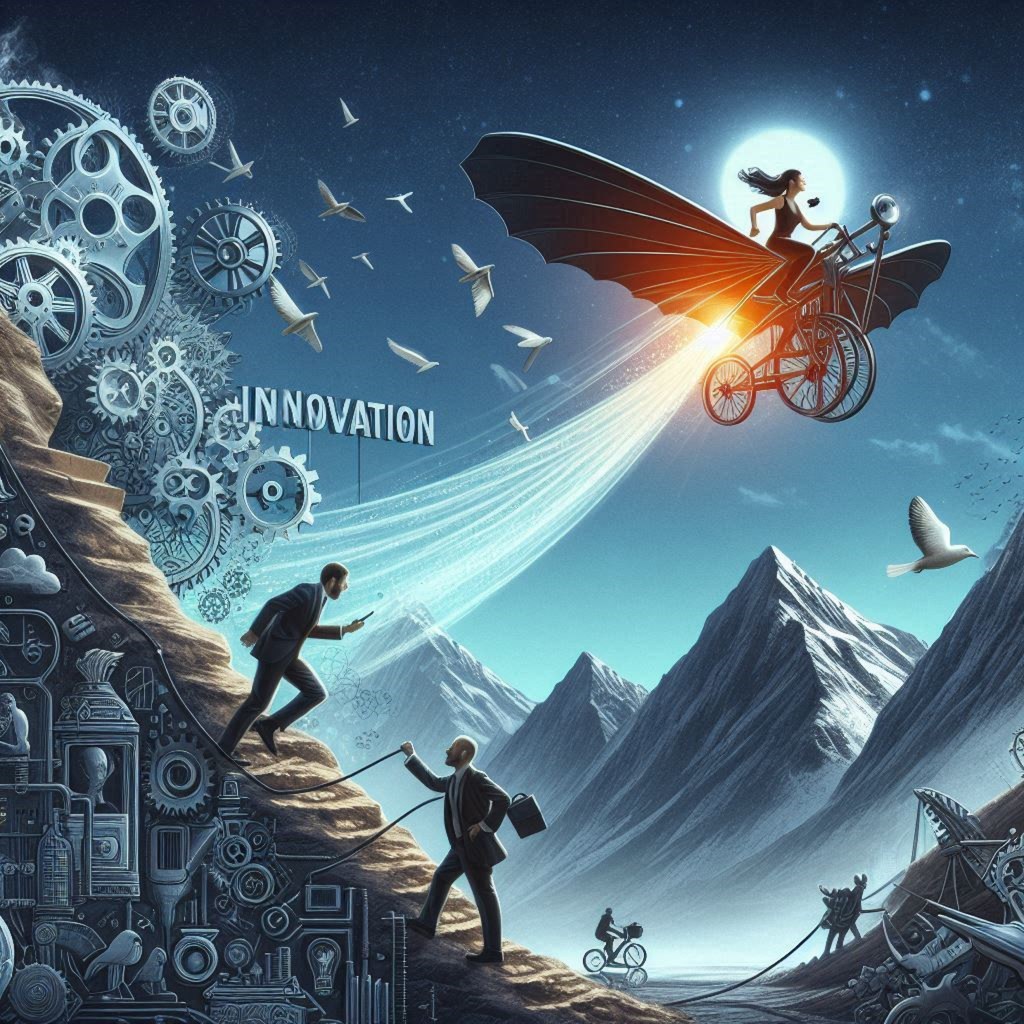
Innovation creates a Step Change. This should be balanced with continuous improvement.

There are always 3 Systems: The system as perceived by owners and leaders; as perceived by users; the real system. The gap between them impacts the risks to planned changes and innovations. A system can be a City, Business Function, Technology system …………….

We can never tell the future with certainty but combining Hype Curves provides a good start. Strategists use these alongside experts’ predications when developing long term technology strategies. I’ve always used Gartner and their consultancy services along with specialist consultants, however there are many options and approaches. AI is at “The Plateau of Inflated Expectations”. How will Large Language Models such as Chat GPT affect this ?

Silos stifle Creativity and Innovation. Having knowledge and experience across different silos provides insights that go beyond individual silos or multi-disciplined teams.
Understanding the key messages and practicing skills
The key messages are understood by most people engaged in significant business change and are practiced to some degree. However, formal recognition and formal practices are usually only undertaken by a number of leaders and experts. There is no reason why everyone can’t benefit from the messages, particularly within their work or business. The approach we use of integrating art and technology, enables children and adults to develop skills around the key messages without formal training. The idea is to develop Innovators at an early age.
Although the key messages are directed at Innovation, I’ve also used them to solve major business problems, where experts and stakeholders have been unable to make progress using traditional methods.
You can use this approach if you are looking at an Innovative Strategy for Southport, a major company or a small shop. You can also use it to influence for your career.
Guidelines:
- When considering a major change, irrespective of it being Innovative, look at balancing it with continuous improvements. An Innovative change is something you wouldn’t normally consider, which has a major impact. There is usually a risk to innovation. However, following in the footsteps of other who have failed, with the intention of being better than them, is a higher risk. This often happens with failed projects.
- The three systems. When meeting people at any level to discuss major change, I have two key things in mind: what culture do they fit within (e.g. ways of working and thinking). For example a Local Council has a very different culture to an independent business. Business managers have a different culture to technology managers; Which of the 3 systems are we discussing a. The system as perceived by the leaders or managers b. The system as perceived by the public or users of the system (for a career, as perceived by the advisors, or people working in the area). c. The real system This is the hardest to understand. An issue with AI in business, is that it can be designed to only consider the managers or users view.
- For anyone embarking on a career change or starting a business you need to plan ahead and understand what the wider environment will look like in years to come. We all are likely to be impacted by Industry 4 and new technologies. These are covered at the Innovation Centre. Technologies coming down the line, tend to follow Hype Curves, so there impacts are usually understood well in advance. What is more difficult is how these will impact each other. For example how will IoT, technology AI (edge computing), Business AI (used to analyse businesses) and public AI (Chat GPT), impact each other. At the innovation centre we monitor these trends to ensure we are aiming at the future and not following dead horses.
- Understanding silos provides a major advantage when innovating. All work at the innovation centres recognises the need to break down silos in order to innovate. This is the main reason that projects combine art and technology and use as many disciplines as possible. Many people consider silos as Vertical, such as an arts department or a science department. A business may have business teams, technology teams and HR teams. Teams can themselves form silos. However, Horizontal silos are just as important, such as executives, managers, staff, contractors, agencies. At the innovation centre we focus in taking advantage of utilising innovations from different silos. For example combining AI advancements across art and technology, with coding and photography.
 Southport Innovation Centre