Advanced resources build on earlier work and resources. As the aim is to gain the skills needed for Industry 4, reference will be made to Industry 4 technology developments. A reference model is shown below.
More focus will be given to creating combined projects and building on previous work, using more advanced resources and tools.
Robotics and coding with focus on the use of Raspberry Pi and Arduino computers. Robots will be more advanced and combine more advanced servers and motors, and contain more sophisticated monitoring components. Programming will include the use of Python, Arduino C and Processing. A good introduction to more advanced robotics is to buy cheap robotics kits, that may not contain details on the build or programming involved. I have included a more straightforward example below. Rather the use a standard PC or Laptop, it is now possible to use a more advanced raspberry Pi to run Arduino and Processing code. This enables more interesting projects to be designed. The latest Arduino Giga has the ability to run Arduino C and Python concurrently, and run AI Machine Learning and IoT (internet of things). However, this is quite advanced. Currently we have the latest Arduino Uno WIFI running on a Raspberry Pi 4.
For Art and integrated projects, more sophisticated use of Photo Editing and Digital Art (using Photoshop or equivalent), JWildfire (Fractal Graphics), Microsoft AI (or equivalent) and Deepdream AI will be used. Processing and P5.JS will also be included for digital art.
Innovative, integrated projects will be undertaken by combining these more sophisticated art and technology projects.
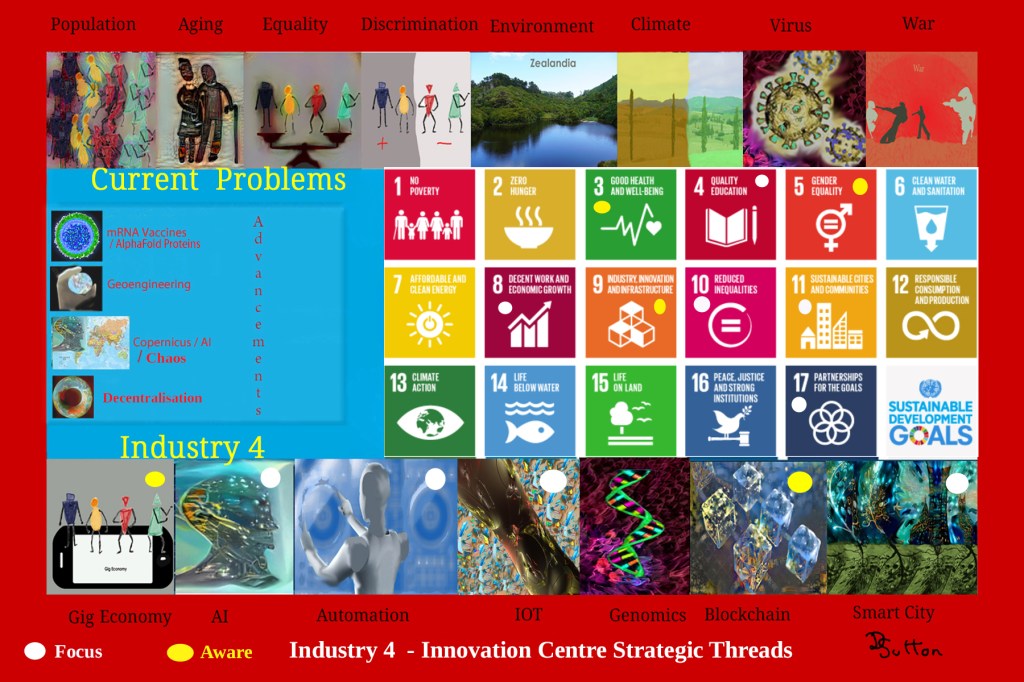
Tying the Innovation Centre to Industry 4. I created the base image years ago and update it regularly. The focus of The Innovation Centre must reflect changes in the direction and focus of Industry 4. Without this it could become ineffective.
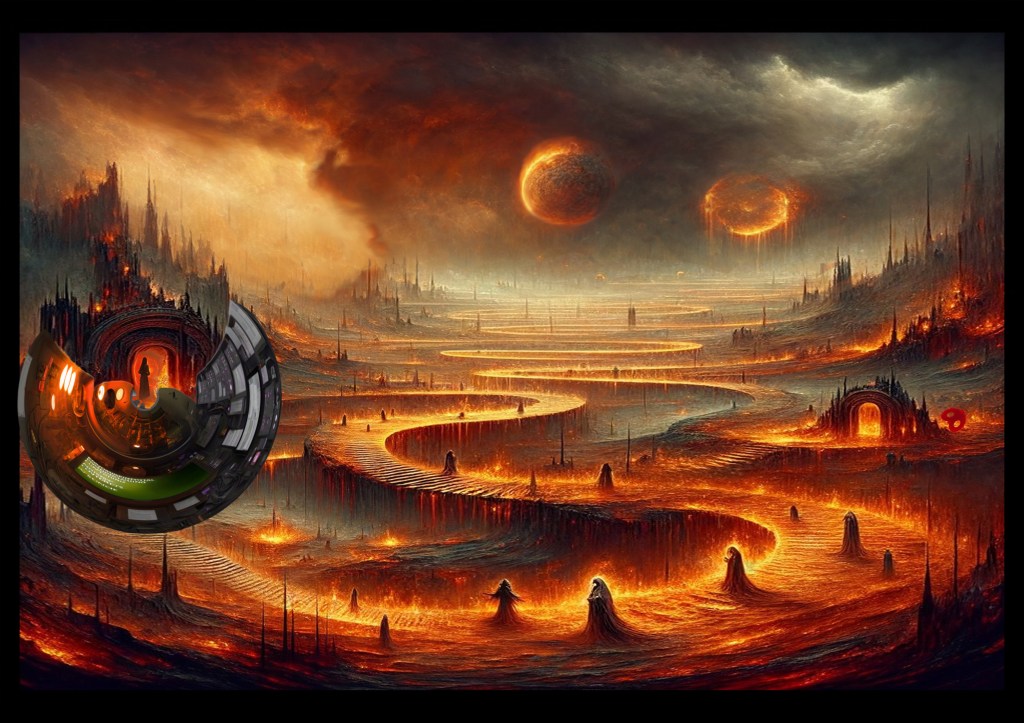
This image is an example of combining art and technology: The Three Body problem – Chaos Theory (butterfly effect), Advanced coding with P5.JS, Environmental Monitoring (to determine colours), Generative Art, Digital Art, Computing and Photography.
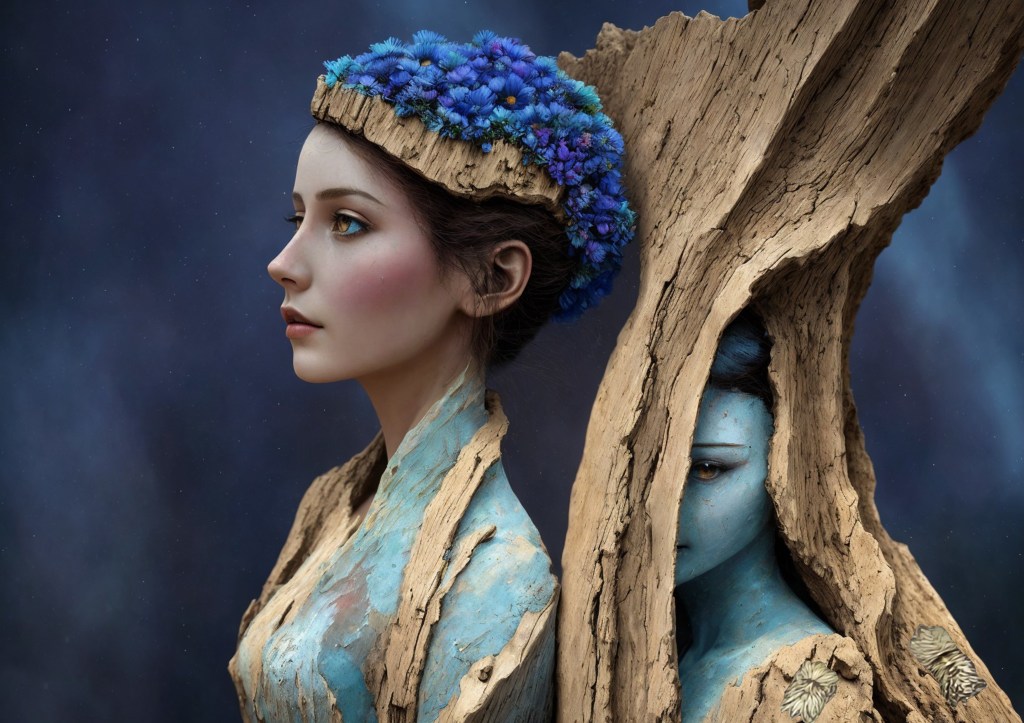
A further example of combining Art and Technology – Women of the woods – Lots of technology went into producing this, plus Digital Art and AI.
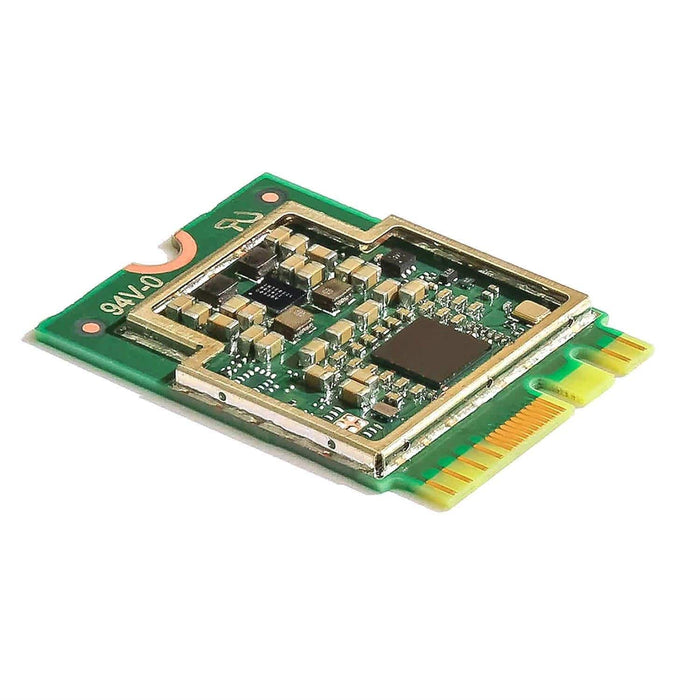
AI TPU for the Raspberry Pi – this is a new product that we are yet to test. https://pineboards.io/blogs/news/meet-us-at-maker-faire-hannover-2024
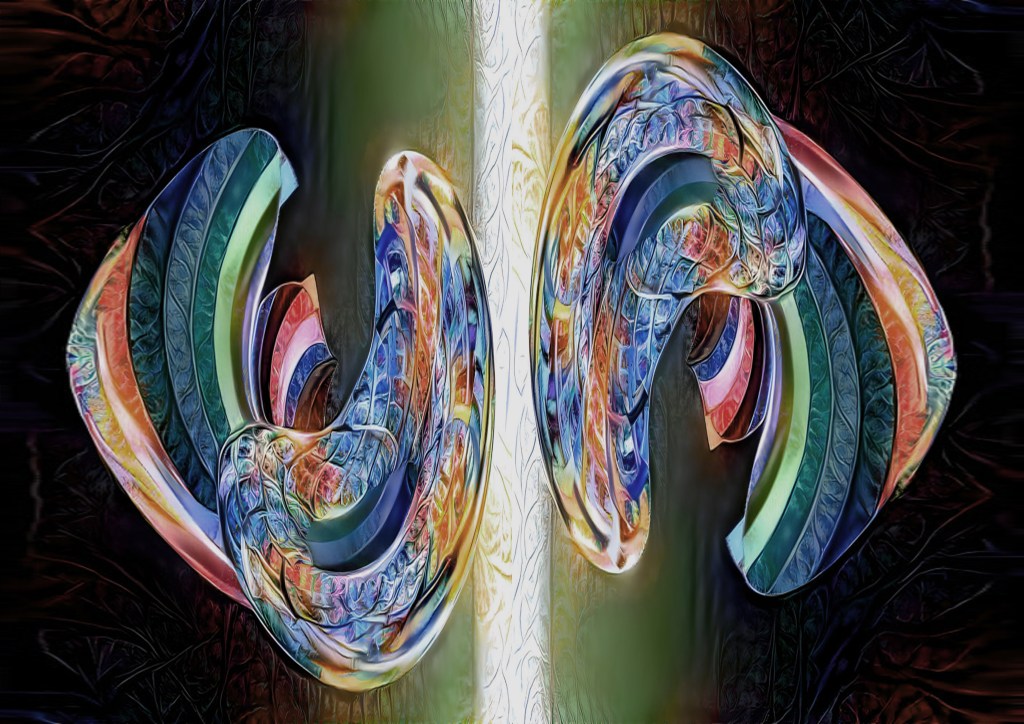
This is one of my earlier images that illustrates how art and technology can be blended by starting on a project with no clear direction. This started out as a 3D printed spirograph. After finding the maths used to create a spirograph image, I created a program using Scratch to create spirograph images. This was rewritten in P5.JS to create 3 dimensional spirographs. The final programming step was to move outside of physical constraints. Digital art and simple AI were used to create the final effect. The fun is in starting a journey with no clear direction and continually imagining new directions. It also forced me to learn a new language as sliders used to modify images in flight required the use of P5.JS. I now recommend the use of P5.JS for more advanced arts students. This is a complicated example of the type of project that can be undertaken by beginners and advanced learners.
Animations
This is a relatively simple animation created from a Fractal Image. It uses Fractal Graphics, Digital Editing, Video Editing and AI. More advanced animations should be created by more advanced learners.
AI Art
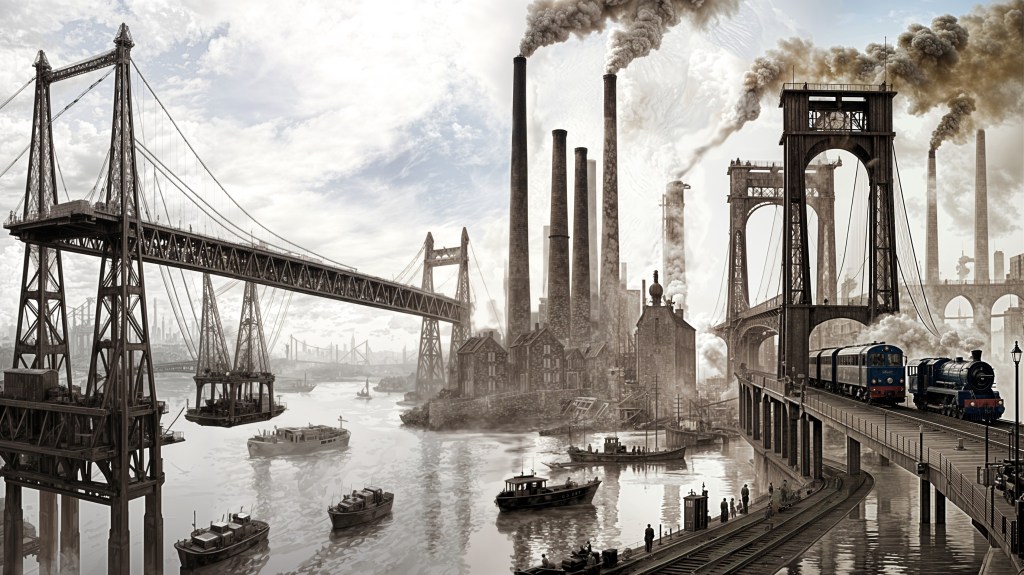
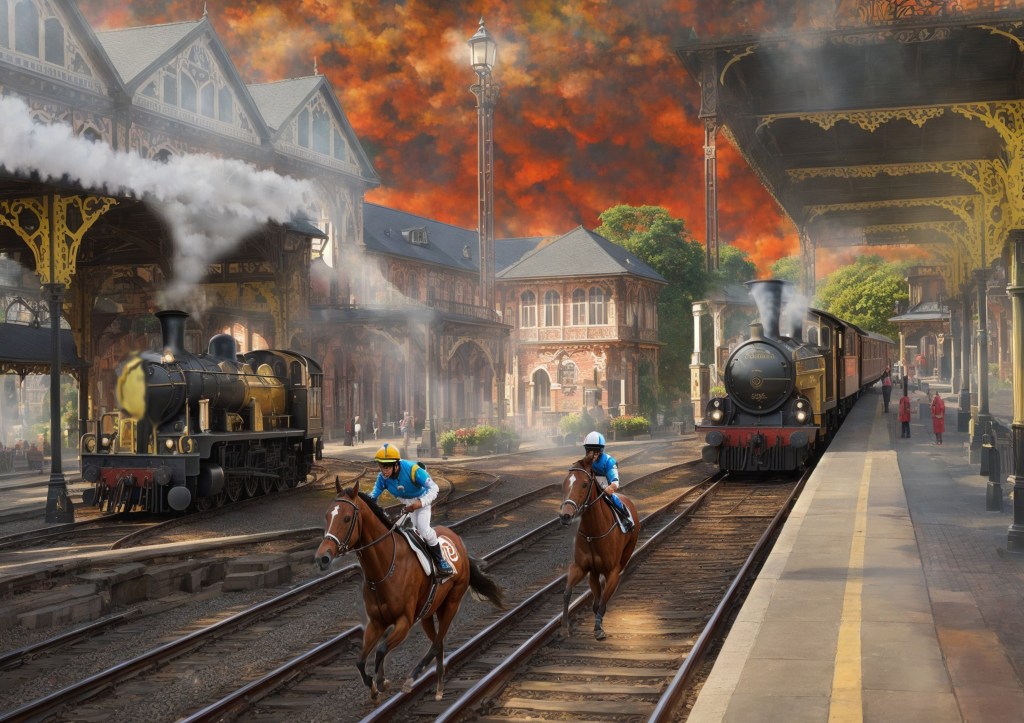
The two images below are examples of the training exercises for Digital/AI art. They both started as photos. The first from an old photo and the second a more recent one taken whilst out with our local art group.
The first image is the simplest. Its a half remembered image of my home town of Widnes. It shows all the elements but not as they existed. It was created by using a combination of Photoshop Elements and AI Image Generator. I can now see all the elements far more clearly. Note: the strange bridge with an under carriage is The Widnes Transporter Bridge that carried cars and passengers.
The second image is of Birkdale Station. The riders were from photographs of a painting on the underpass. The village is Victorian, however the station has recently been updated. The first job was to age the station to Victorian times. The riders were then enhanced to make them lifelike, and inserted into the image. The sky was created from complex fractal graphics, using JWildFire. Photoshop was used to pull everything together. A story was the produced using Microsoft AI based on the image. Further images were then created to support the story. A number of animations were created using different approaches.
A simple training animation created from the photos of the station and the art on the underpass
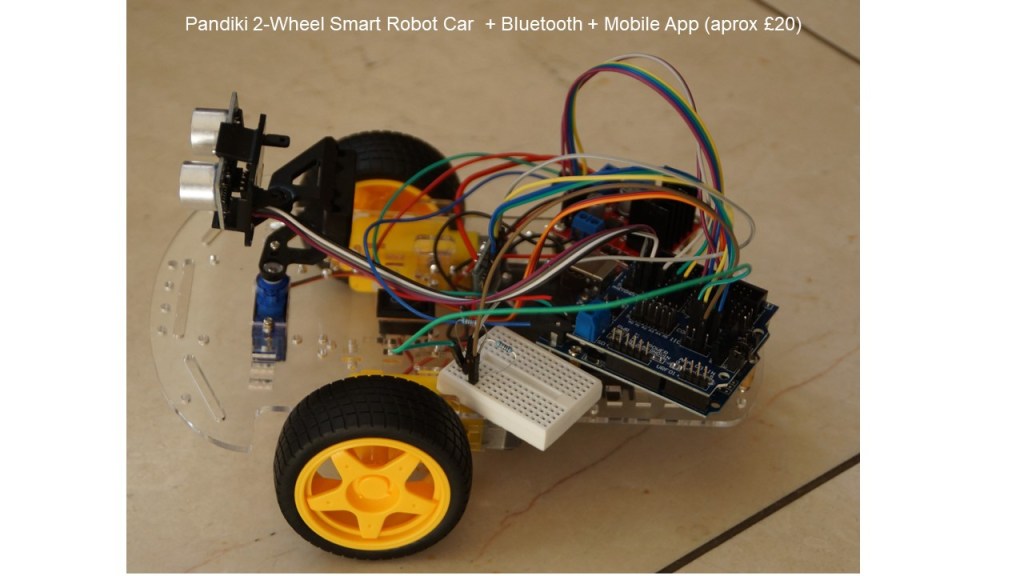
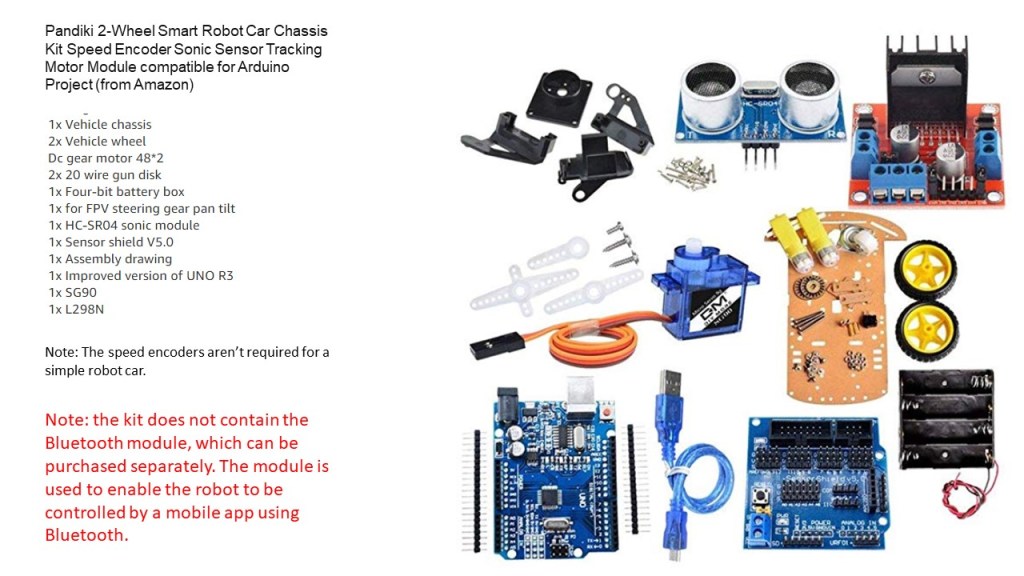
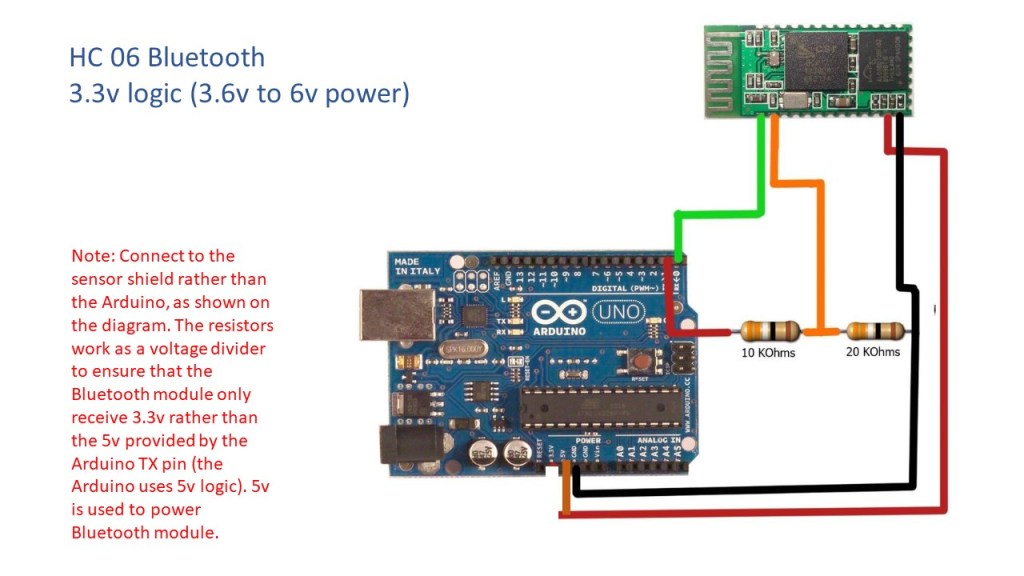
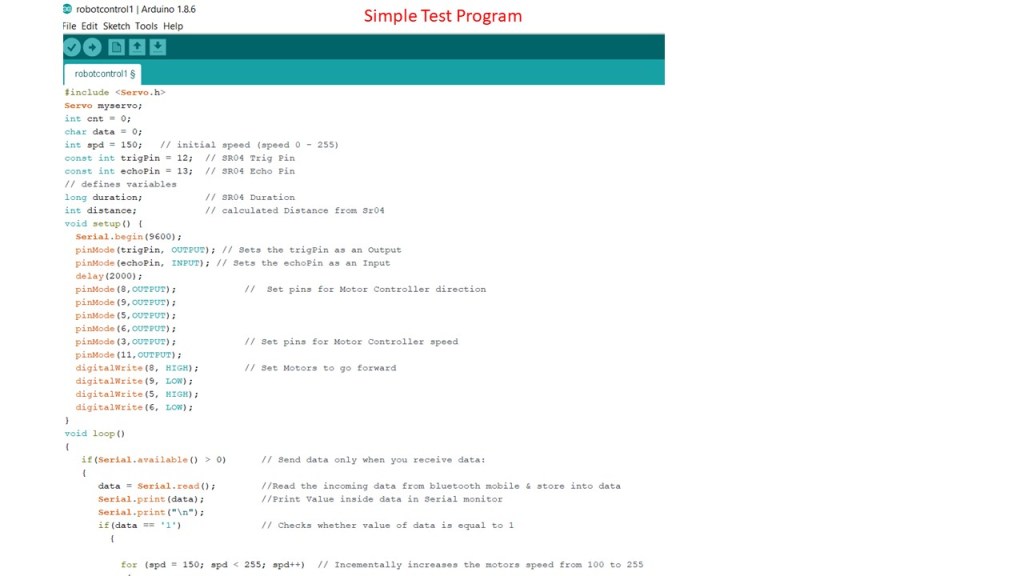
Building a robot from a cheap kit
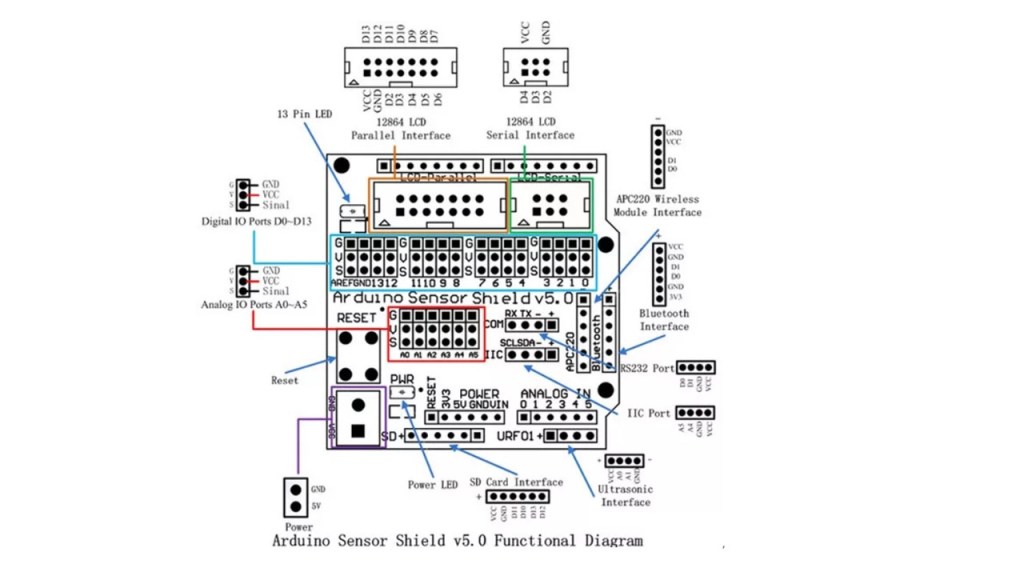
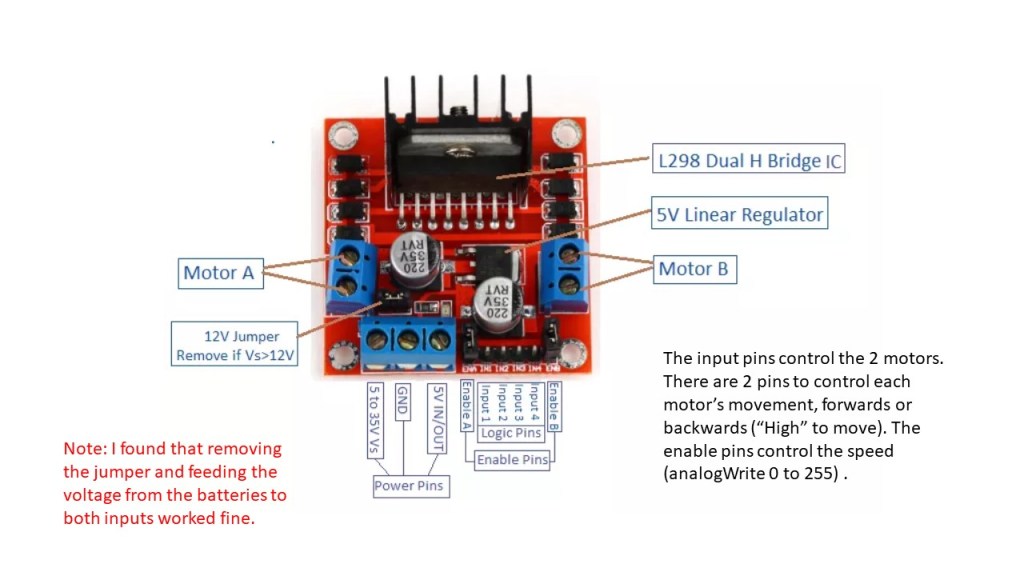
Notes on building a robot from a cheap kit, with no instructions. I built up the instructions using the internet.
Physical Computing and Robotics (future work and resources)
We will be using readily available courses from The Pi Foundation, Arduino Education (including Industry Ready courses), and other free on-line courses. We will look at options around purchasing the full courses with recommended hardware or tailoring courses in order to work with our available hardware. We will be purchasing an Alvik Robot which we can modify to integrate components from Raspberry Pi, Microbit and Lego Robotics. It uses a Nano ESP32, as its main controller allowing us to use block based coding, Arduino C or Micro Python. We will be looking at also purchasing a Arduino Giga, which allows two programming languages to be used on each of its processors. By integrating Giga and Alvk, in an IoT on the Arduino Cloud, we will have lots of potential for advanced work.
Rather than buying all components ready built, more advanced learners can practice soldering components. They will also learn more about the electronics involved in robotics such as how to choose the correct motor, the current draw when motors stall and programming precise movements.
 Southport Innovation Centre